
DSIP (Delta Sleep-Inducing Peptide) is a naturally occurring peptide that was first discovered in the early 1980s. It is a small peptide that is composed of only five amino acids and is found in various regions of the brain, including the hypothalamus and the pineal gland.
The discovery of DSIP was the result of extensive research into the mechanisms of sleep regulation. Scientists were interested in understanding the biological processes that underlie sleep, and they sought to identify the chemical signals that regulate sleep and wakefulness. It was during this research that they discovered DSIP and its potential role in sleep regulation.
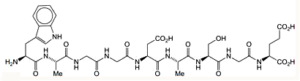 In the early days of DSIP research, scientists focused on understanding its basic biology and mechanism of action. They found that DSIP was able to penetrate the blood-brain barrier and bind to specific receptors in the brain, leading to the induction of sleep. They also discovered that DSIP was able to increase the secretion of other neurotransmitters, such as serotonin and norepinephrine, which play a role in regulating mood and sleep.
Over the years, the research on DSIP continued, and scientists began to explore its potential therapeutic benefits. They found that DSIP had the potential to improve sleep quality and reduce symptoms of sleep disorders, such as insomnia and sleep apnea. They also discovered that DSIP could improve mood and reduce anxiety, and it was suggested that it could be used to treat depression and other mood disorders.
Despite the promising results from these early studies, however, DSIP remained largely unknown to the public and the medical community. This changed in the late 1990s and early 2000s, when DSIP gained widespread attention due to its potential to enhance athletic performance. Athletes and bodybuilders discovered that DSIP could increase endurance and reduce fatigue, and it became a popular supplement for those looking to improve their athletic performance.
Despite its popularity as a performance-enhancing supplement, the use of DSIP was not without controversy. The World Anti-Doping Agency (WADA) banned DSIP for use in sports due to its performance-enhancing effects, and the International Olympic Committee (IOC) included it on its list of prohibited substances.
In recent years, the research on DSIP has continued, and its potential therapeutic benefits have been explored in a variety of medical conditions, including sleep disorders, mood disorders, and even some forms of cancer. Although much more research is needed to fully understand its mechanism of action and therapeutic potential, the growing body of evidence suggests that DSIP has the potential to be a valuable therapeutic tool for a wide range of medical conditions.
In conclusion, the history of DSIP is a relatively short one, but its potential therapeutic benefits have already made it a subject of intense scientific research and development. Despite its controversial use as a performance-enhancing supplement, there is a growing body of evidence to suggest that DSIP has the potential to revolutionize the treatment of a wide range of medical conditions, and its discovery is sure to have a lasting impact on the field of medical treatments.