TB-500 Compound Overview
 Class of Compound: Peptide
Mechanism of Action: TB-500 upregulates the cell-building protein actin, a key component of cell structure and movement, while blocking actin polymerization. It has also been shown to promote angiogenesis, likely through the Notch signaling pathway.
Notable Studies: Thymosin beta4 enhances repair by organizing connective tissue and preventing the appearance of myofibroblasts. The effect of thymosin treatment of venous ulcers. A randomized, placebo-controlled, single and multiple dose study of intravenous thymosin beta4 in healthy volunteers.
Also Known As: Thymosin beta-4, timbetasin
Research Applications: Wound healing,Inflammation,Injury recovery,General anti-aging research.
Risks: Prohibited by WADA, Limited clinical studies, No FDA review or approval.
What is TB-500?
TB-500 is the synthetic version of a natural compound called thymosin-beta-4. It is a research chemical that has been used in both test-tube and animal studies, along with a small number of human trials, having been found to promote wound healing, muscle repair, joint and tissue strength, and endothelial health.
Thymosin-beta 4 was first identified in 1981 after being isolated from a bovine thymus gland sample. In the early-2010’s, the synthetic version TB-500, which had been developed for veterinary purposes, was rumored to be rampantly used in competitive horse racing giving horses receiving it a significant competitive edge against other horses. It was at this time that testing measures to detect TB-500 in race horses began to be developed in earnest. TB-500, Thymosin beta-4, and all other derivatives thereof are now banned from competitive horse racing, as well as all sporting competitions subject to the Code of the World Anti-Doping Agency (WA DA). However, research on TB-500 is certainly ongoing, and the peptide is of particular interest for researchers studying anti-aging, wound healing, inflammation, cardiovascular health, among other diverse applications. Here is our guide to TB-500, including its potential benefits, known side effects, and other pertinent information about the research chemical.
What Does TB-500 Do?
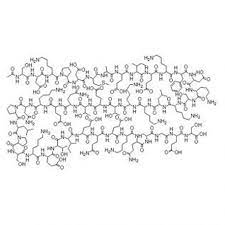
TB-500 is a synthetic version of thymosin-beta 4, a peptide (short chain of amino acids) that has been found in most cells in animals and humans. It is a chain of 42 amino acids (a “tritetraconpeptide”) in the following structure: The primary function of thymosin beta-4 is in cell repair and regeneration. It exhibits most of its actions through the sequestering of actin, which in the simplest of terms means that it keeps actin in place. In the event of an injury, thymosin beta-4 would sequester actin at the site of the injury, signaling a cascade of other reactions to occur. Because actin is a key component of connective tissue, this actin-sequestering action of thymosin- beta 4 helps promote connective tissue healing and regeneration. This activity also signals for the body to begin migrating other stem or progenitor cells to the site where repair is needed. Thymosin beta 4 helps those cells to differentiate into, for example, myocytes (muscle cells), epithelial cells, or other connective or vascular cells to repair the area and rebuild the tissue.
TB-500 Benefits I Clinical Trials
Much of the existing research on TB-500 and thymosin-beta 4 has been done in test-tube or animal studies. However, the results of these studies point to some potentially promising applications for muscle and connective tissue growth, as well as vascular function. Note that most of this research refers to the use of thymosin-beta 4, the organic and naturally occurring version of lab-made TB-500. However, TB-500 is structurally and chemically identical to thymosin-beta 4 and theoretically should have the same effects in research subjects. In some studies, TB-500 may be referred to as synthetic thymosin-beta 4.
Here is a list of potential benefits:
Muscle. One research area with great potential is the effects of TB-500 on muscle, but not just skeletal muscle. Thymosin-beta 4 appears to exert promising positive effects on both skeletal muscle and cardiac (heart) muscle.
In one 6-month mouse study, researchers found that thymosin-beta 4 administration improved skeletal muscle fiber regeneration in mice who were deficient in dystrophin, a connective tissue protein.
It also may help to protect cardiac muscle and promote repair after damage to the heart through a number of mechanisms.
Connective tissue. Because of its effects on body proteins, TB-500 may also provide some potential benefits for connective tissue like joints, tendons, and the collagen matrices that anchor the skin, muscles, and organs.
In one animal study, researchers treated incision wounds on rats with thymosin-beta 4. They also kept an untreated control group to compare how the wounds healed differently. In the wounds treated with thymosin-beta 4, the researchers noted that there was minimal scarring present compared to the controls, and that the treated wounds were also much narrower in width.
Upon closer inspection, they were able to determine that this was because the thymosin beta-4 treated wounds had more tightly organized collagen fibers that were more mature, while the controls had more disorganized arrangements of collagen fibers that appeared to be less mature.
Thymosin-beta 4 administration appeared to significantly improve collagen structure and hasten its maturity, resulting in Improved wound healing and reduced scarring.
Vasculature and endothelial function. Vasculature refers to blood vessels, and the endothelium is the inner lining of each vessel that helps to regulate blood flow and blood pressure through constriction and dilation. Healthy blood vessels are flexible with highly functioning endothelial linings.
Animal and test-tube models have indicated that thymosin beta-4 can help promote the growth and development of new blood vessels in a process known as neovascularization, but they can also help promote endothelial cell differentiation to help maintain or restore endothelial function in damaged vessels.
Other effects. Other animal studies point to even more potential applications for TB-500 and thymosin-beta 4. One mice study noted that thymosin-beta 4 administration helped to improve blood glucose control and increase insulin sensitivity in mice. Researchers also noted improvements in triglyceride levels with thymosin-beta 4 administration in this study.
Thymosin beta-4 has also been used to promote hair growth in mice, so it also shows promise as a follicle stimulator for hair loss conditions.
It is important to recall that all of this research is considered pre-clinical, and there hasn’t yet been a great deal of research in humans. Although test-tube and animal studies can reveal some of the potential effects of TB-500, it is important to note that these effects have not been confirmed in human subjects.
Human trials. A handful of high-quality, randomized controlled trials have investigated the effects of thymosin beta-4 administration in humans.
One studied venous ulcers, which are a result of poor circulation and typically manifest on the lower leg. With 73 participants in all, researchers found that a dose of 0.03% synthetic thymosin-beta 4 increased the rate of wound healing, and helped 25% of patients achieve full healing within 3 months.
Another investigated the effects of thymosin-beta 4 eye drops for severe dry eye. Among nine participants, researchers found that after 56 days of treatment the treatment group had a 35% reduction in eye discomfort, 59% improvement in dry eye testing parameters and increased tear production.
There has also been one trial in healthy adults to help assess the safety and potential side effects of thymosin-beta 4, and some early pilot and exploratory studies in regards to thymosin-beta 4 and cardiac function.
TB-500 Side Effects
On the whole, the research to date indicates that TB-500 exhibits minimal to no side effects when administered to research subjects at prudent doses.
The results of one randomized controlled trial in 40 healthy adults – with the express purpose of assessing potential safety concerns with synthetic thymosin-beta 4 – were published in 2010. The researchers found that, in healthy adult subjects, intravenously-administered doses ranging from 42 to 1,260 mg of Tbeta4 appear to be well-tolerated and present minimal risk for toxicity. (Note that the dosages for TB-500 would have been significantly smaller.)
Although there were some adverse events in the course of the study, they were uncommon occurrences and were only mild or moderate in nature. It’s important to note that this was a carefully designed study using only healthy subjects.
Regardless of these preliminary findings, TB-500 should be administered with the utmost caution by qualified researchers only. Under no circumstances should it be self-administered for experimental or recreational purposes.
Is TB-500 Safe?
The peptide TB-500 has not been evaluated for safety by the United States Food and Drug Administration (FDA), nor by any of its international regulatory counterparts. Accordingly, any statements or findings – formal or otherwise – that TB-500 is “safe” must be taken with a grain of salt.
Nonetheless, in published research to date, TB-500 administration has produced minimal side effects in animal and human studies alike.
Many peptides can product injection site pain, lightheadedness, nausea, or even flu-like symptoms in subjects. But there have been very limited reports of TB-500 causing even such minor side effects. On the contrary, it appears that TB-500 is very well tolerated among a range of subjects.
As with any research involving peptides, however, due caution is required when administering TB-500 to test subjects.
TB-500 Dosage Calculator
Given the relative paucity of published research to date on TB-500, there are no set dosage recommendations for research purposes.
Nonetheless, in the scientific and clinical studies to date, the most common reported dosing range of TB-500 has been 2-5 mg, administered twice weekly, for a duration of 4 to 8 weeks, depending on the nature of the research. Some clinicians favor a higher starting dose for the initial ‘I to 2 weeks, followed by a maintenance dose equal to one half of the original dose for the 2 to 6 weeks thereafter.
Alternatively, one human study used a thymosin-beta 4 dose of 0.03% in a gel for the treatment of venous ulcer wounds with favorable results.
In research applications, it’s important to use the lowest effective dose, so it’s advisable to start with the lowest dose possible.